













First-Timer's Guide to Visiting Cuba: What You Need to Know Before You Go
For those planning their first visit, understanding the unique aspects of traveling to Cuba with Vive Mas Tours is key to a smooth and memorable experience.


Cuba, a captivating island nation, beckons travelers with its vibrant culture, rich history, and stunning natural beauty. For those planning their first visit, understanding the unique aspects of traveling to Cuba with Vive Mas Tours is key to a smooth and memorable experience. This comprehensive guide will walk you through everything you need to know, from essential pre-travel preparations to navigating daily life and immersing yourself in the authentic Cuban spirit.
Before You Go: Essential Pre-Travel Preparations for Your Cuba Trip
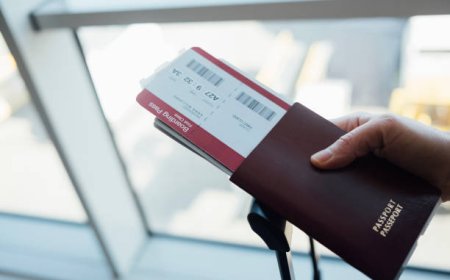
Embarking on your Cuba trip requires careful planning to ensure a hassle-free entry and stay. Understanding the necessary documentation and health requirements is paramount. You will need to secure a Cuban Tourist Card or e-Visa, which is mandatory for most nationalities and typically grants a 90-day stay, extendable once. It is crucial to complete the online D'Viajeros form within 72 hours of your arrival, providing essential immigration and health information. Your passport must also have at least six months of validity beyond your intended departure date, a standard international travel requirement. Beyond entry documents, travel insurance for Cuba is not just recommended, it is a legal requirement. Cuban authorities may conduct random checks at the airport, and if you arrive without proof of medical insurance, you will be required to purchase a local policy. Ensure your policy covers medical emergencies and, ideally, medical evacuation, as healthcare facilities in Cuba can be basic, especially outside major tourist hubs. Discussing routine vaccinations with your doctor before your Cuba travel is also a wise step to ensure you are prepared for any health considerations. Packing smart is another vital aspect of your pre-trip preparations. Due to import restrictions, many essential items like specific toiletries, over-the-counter medications, and even certain snacks can be difficult to find or expensive. A comprehensive Cuba packing list should include all personal care items, a basic first-aid kit, insect repellent, reef-safe sunscreen, a hat, sunglasses, and comfortable walking shoes. Consider bringing a reusable water bottle with a filter to reduce plastic waste and ensure access to safe drinking water throughout your Cuban adventure.
Navigating Finances: Understanding Cuba's Unique Currency System
The financial landscape in Cuba is distinct and requires careful attention for any first-time visitor to Cuba. The official currency is the Cuban Peso (CUP), also known as moneda nacional. However, a parallel system exists where foreign currencies are widely accepted, especially by private businesses. Euros are generally preferred by Cubans due to their stability and ease of exchange, followed by Canadian dollars and Pound Sterling. While US dollars circulate on the black market, bringing them is not officially recommended due to unfavorable exchange rates and the risk of scams. It is advisable to bring ample cash in preferred foreign currencies, as credit card acceptance is limited across the island. When it comes to Cuba currency exchange, you will find official exchange bureaus (CADECAs) and banks offering the official rate for CUP. However, many private businesses, including casas particulares (private homestays) and paladares (private restaurants), often operate using more favorable unofficial exchange rates for foreign cash. It is always best to inquire upfront about accepted currencies and exchange rates before making a transaction. Credit cards linked to US banks are generally not accepted, and even non-US issued cards may not work in all establishments, particularly private ones, which primarily deal in cash. The Moneda Libremente Convertible (MLC) is a digital currency used in some state-run stores, primarily by Cubans with special magnetic cards; tourists typically will not need to worry about MLC cash. Budgeting for your Cuba vacation should account for daily expenses in cash, including tips, souvenirs, and meals not covered by your tour package. A minimum of $100 USD per day is often suggested for incidental expenses, with a small portion exchanged into CUP for minor purchases like museum entries or local street food, enhancing your Cuba travel experience.
Getting Around Cuba: Transportation and Connectivity
Exploring the diverse landscapes of Cuba involves a unique blend of transportation options, offering a glimpse into daily Cuban life. For getting around Cuba, you will encounter iconic classic American cars, known as almendrones, which function as shared or private taxis, providing a nostalgic ride. Cocotaxis (three-wheeled motorbikes) offer a fun, open-air experience in urban areas, ideal for short distances. While state-run buses and trains are available, their schedules can be unreliable, making private taxis or organized tours a more convenient option for longer distances and ensuring you maximize your Cuba trip. Always agree on a fare before starting your journey, as taxis are generally not metered, and be sure to use officially registered taxis for safety and fair pricing. For inter-city travel, Viazul buses are a popular choice among tourists, offering a more comfortable and reliable service than local buses, connecting major tourist destinations.
Staying connected during your Cuba trip can be a different experience than what you might be used to. Internet access in Cuba is primarily provided by ETECSA, the state-owned telecommunications company. Tourists can access Wi-Fi by purchasing pre-paid NAUTA cards, available at ETECSA offices, some hotels, and even from individuals selling them at public Wi-Fi hotspots in parks and town squares. While the number of hotspots is increasing, speeds can be slow, and certain websites may be blocked due to international restrictions. It is highly recommended to download a Virtual Private Network (VPN) before arriving in Cuba, as access to VPN download sites may be restricted once you are on the island. For more consistent mobile internet access, consider purchasing a tourist SIM card upon arrival. Understanding these Cuba travel tips regarding connectivity will help you manage expectations and plan your communication needs effectively, ensuring you can share your Cuban adventure moments.
Immersing in Culture: Etiquette, Safety, and Local Experiences in Cuba
To truly appreciate your visit to Cuba, immersing yourself in its rich culture and understanding local etiquette is essential. Cubans are known for their warmth, hospitality, and expressive communication style. Learning a few basic Spanish phrases will go a long way in enhancing your interactions and showing respect, making your Cuba travel more engaging. Direct eye contact is common and a sign of respect, and do not be surprised by close personal space in conversations or physical greetings like handshakes and cheek kisses. When taking photos, always ask for permission, especially when photographing individuals, as a sign of respect for their privacy. Avoid public displays of spitting or littering, as these are considered rude and can be illegal, contributing to a positive image of tourism in Cuba. Punctuality is often more relaxed in Cuba, so embrace the island's laid-back approach to time, allowing for spontaneous discoveries.
Your safety in Cuba is generally high, particularly in tourist areas, but like any destination, exercising caution is advisable. Petty crime, such as pickpocketing, can occur in crowded areas. Keep valuables out of sight, especially in vehicles, and use secure travel bags. Be wary of scams, and only use reputable tour operators and registered taxis to ensure your Cuban adventure remains safe. Drink spiking is a risk, so never leave drinks unattended. Medical facilities, while accessible, may lack certain supplies, reinforcing the importance of comprehensive travel insurance and a well-stocked personal first-aid kit. For an authentic and supportive experience, consider staying in casas particulares. These private homestays, run by Cuban families, offer a unique opportunity to connect with locals, enjoy homemade meals, and directly contribute to the local economy. This form of Cuba accommodation not only provides a glimpse into daily Cuban life but also ensures your tourism dollars directly benefit the community, fostering responsible tourism in Cuba.
Exploring Cuba's Gems: Must-Visit Destinations for First-Timers
Cuba boasts an incredible array of destinations, each offering a distinct flavor of the island. For first-time visitors to Cuba, the vibrant capital of Havana is an absolute must-see. Explore the UNESCO World Heritage site of Old Havana (Habana Vieja) with its colorful colonial architecture, cobblestone streets, and historic squares like Plaza Vieja. Do not miss iconic landmarks such as El Capitolio and the Museum of the Revolution, which offer deep insights into Cuban history and the Cuban Revolution. Wandering through the Afro-Cuban neighborhood of Hamel Alley provides a unique cultural experience, showcasing the island's diverse heritage. Beyond the capital, the picturesque town of Trinidad, another UNESCO site, enchants with its perfectly preserved colonial buildings, cobblestone streets, and lively music scene in Plaza Mayor, making it a highlight of any Cuba vacation.
For nature lovers, a visit to the Viales Valley in Pinar del Ro province is highly recommended. This stunning UNESCO Cultural Landscape is famous for its unique mogotes (limestone hills) and lush tobacco fields, offering opportunities for hiking, horseback riding, and learning about Cuban cigar production, a key aspect of Cuban culture. If you are seeking pristine beaches, Varadero offers expansive white sands and resort amenities, making it a popular choice for relaxation after exploring the cities. Other notable destinations include Cienfuegos, known as the "Pearl of the South" with its elegant French-influenced architecture, and Santa Clara, home to the Che Guevara Mausoleum, a significant historical site. As you explore these incredible sites, remember to practice responsible tourism in Cuba. Support local artisans by purchasing souvenirs directly from them, choose paladares for your meals, and opt for casas particulares for accommodation. These choices ensure your visit contributes positively to the local communities and helps preserve the authentic charm of this extraordinary island, making your Cuba trip impactful.
Your Unforgettable Cuba Adventure Awaits with Vive Mas Tours
Planning a trip to a destination as unique and captivating as Cuba can seem daunting, especially for a first-timer. From navigating visa requirements and understanding the local currency to finding authentic experiences and ensuring your safety, there is a lot to consider. This is where a trusted partner like Vive Mas Tours becomes invaluable. With their deep expertise in Cuba travel, Vive Mas Tours specializes in crafting seamless and enriching journeys that highlight the very best of the island, allowing you to focus purely on discovery and enjoyment. Imagine exploring the vibrant streets of Old Havana, dancing to the rhythms of salsa in Trinidad, or discovering the lush tobacco fields of Viales, all with the peace of mind that every detail is expertly handled by Vive Mas Tours. Their commitment to responsible tourism ensures your visit benefits local communities directly, allowing you to experience Cuba genuinely and make a positive impact. Do not let the planning complexities deter you from experiencing this incredible destination. Let Vive Mas Tours be your guide to an unforgettable Cuban adventure, ensuring you gain a profound appreciation for its culture, history, and people. Start planning your dream Cuba vacation today by visiting Vive Mas Tours and discover how easy and rewarding your first-time journey to this enchanting island can be.